
Premium Cocktail Cans: The Ultimate Guide to Ready-to-Drink Quality and Flavor
Cocktail cans are precisely what they sound like—single-serving, ready-to-drink cocktails sealed in aluminum, giving you a bar-quality pour without the shaker, strainer, or cleanup. You crack one open over ice (or straight from the fridge), and the drink’s already balanced, carbonated, and chilled to perfection, so there’s zero guesswork on ratios or mixing. The real win here is portable convenience that doesn’t sacrifice flavor, letting you sip a proper Negroni or margarita at a picnic, beach, or backyard hangout with just a pull-tab and a smile.
What Exactly Are Cocktail Cans and Why Are They Everywhere Now?
Cocktail cans are pre-mixed, single-serving beverages that contain a complete recipe—spirit, modifier, and garnish essence—sealed under pressure, often with nitrogen or carbonation to mimic the texture of a freshly shaken drink. Their ubiquity now stems from pure convenience: you get a consistent, portable, and ready-to-pour cocktail without needing bottles, a shaker, or fresh ice. They’re found everywhere because they solve a practical problem—delivering bar-quality flavor in a format that chills quickly, travels safely, and fits a hike, a picnic, or a rooftop. Unlike a bottled mix, cocktail cans are formulated with lower dilution and stabilizers so the taste stays balanced from first sip to last, even when warm. That’s why they’ve shifted from novelty to staple: they’re simply the easiest way to drink a real cocktail anywhere.
The Difference Between a Fancy Soda and a Real Cocktail in a Can
The line between a fancy soda and a real cocktail in a can comes down to structure, not just flavor. A soda mimics sweetness with sugar and acid, but a genuine canned cocktail builds layers through proper dilution, bittering agents, and a dedicated spirit base that actually interacts with the other ingredients. You can taste the difference in the finish: a soda leaves a cloying, one-note sweetness on your tongue, while a real cocktail resolves with a dry, botanical, or slightly warming complexity. Crucially, the alcohol isn’t an afterthought—it’s the framework. The carbonation in a true canned cocktail is balanced to lift aromatics, not just fizz, so the drink evolves as you sip, whereas a soda stays static and syrupy. The proof is in the balance.
ABV, Carbonation, and Flavor: What the Label Really Tells You
The label on a cocktail can is your primary tool for managing expectations around **ABV, carbonation, and flavor balance**. The stated ABV tells you the true strength relative to a standard pour, but it also hints at flavor density—higher alcohol often masks sweetness, so a 12% canned Negroni will taste drier and more botanical than a 7% version. Carbonation levels are rarely listed numerically, but cues like “spritzy” or “still” on the can indicate whether the mouthfeel will be sharp or silky; a heavily carbonated Paloma will amplify citrus acidity, whereas a flat Old Fashioned relies on the syrup’s viscosity. Flavor descriptors are the final clue: if the label boasts “smoked” or “barrel-aged,” expect the ABV to feel warm and the carbonation to be minimal, because those profiles demand a slow, rich sip.
- Check the ABV first—it dictates whether the carbonation will feel prickly or subdued.
- “Naturally carbonated” often means gentler bubbles that let hop or citrus notes shine.
- Flavor words like “juicy” usually pair with lower ABV and higher fizz to enhance refreshment.
Single-Serve vs. Multi-Serve Formats: Which Fits Your Night?
Choosing between a single-serve can and a multi-serve format hinges on your evening’s pace. A single-serve, typically 12 ounces, offers immediate portion control and zero leftover waste, ideal for solo sipping on a patio or testing a new brand without commitment. Multi-serve formats, like 24-ounce cans, suit a shared gathering—you pour exact 4-ounce servings, controlling dilution from ice, but must re-cap and refrigerate leftovers, which can lose carbonation by Espresso Martini cocktail cans day two. Your decision also affects drink temperature: a small can chills faster and stays colder in hand, whereas a larger vessel warms unevenly between pours. For a low-key solo night, single-serve delivers convenience; for a cocktail hour with friends, multi-serve offers better cost-per-drink. Match the can size to your consumption speed, not your cabinet space.
Single-serve wins for immediate, waste-free solo drinking; multi-serve fits controlled sharing with some fizz loss on day two.
How to Pick the Best Ready-to-Drink Cocktail for Your Taste
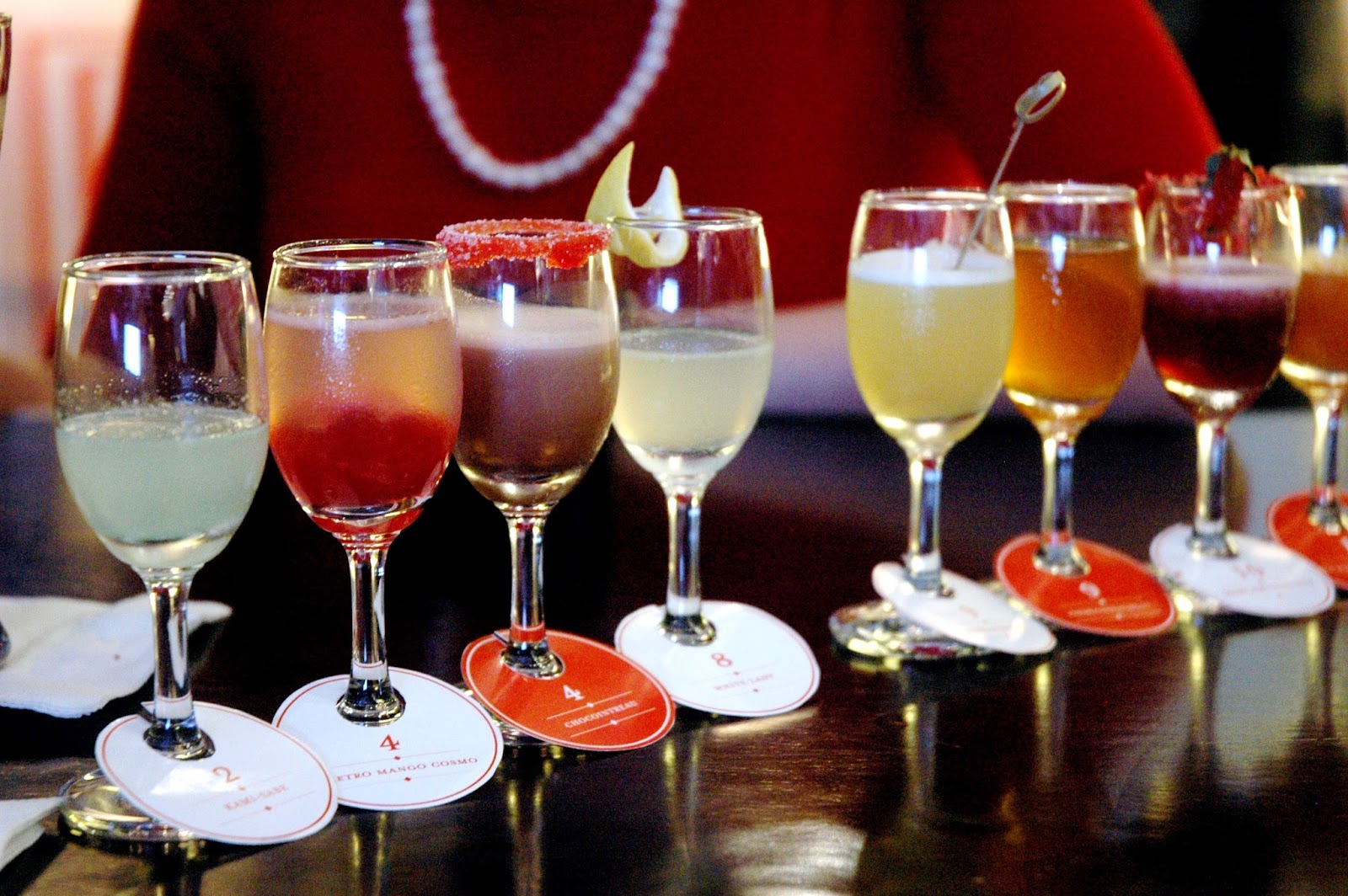
Start by identifying your base spirit preference, since canned cocktails hinge on that core flavor. If you enjoy whiskey, look for an old fashioned or Manhattan variant; if vodka is your go-to, explore citrus-forward options like a lemon drop. Check the sweetness level on the label—many cans lean sugary, so scan for “dry” or “low sugar” if you prefer tart or bitter profiles. Examine the mixer ratio: a higher alcohol percentage often means a more spirit-heavy, less diluted taste, while lower ABV suits lighter, spritz-style drinks. For tropical flavors, ensure real fruit juice is listed early in the ingredients, not just artificial flavoring. Always read the tasting notes on the can—they directly signal whether the profile is smoky, herbal, or fruity. Q: How do I gauge bitterness in a canned cocktail? A: Look for descriptors like “amaro” or “citrus peel” in the ingredient list, which reliably indicate a sharper finish.
Sweet, Tart, or Spirit-Forward: Matching the Can to Your Palate
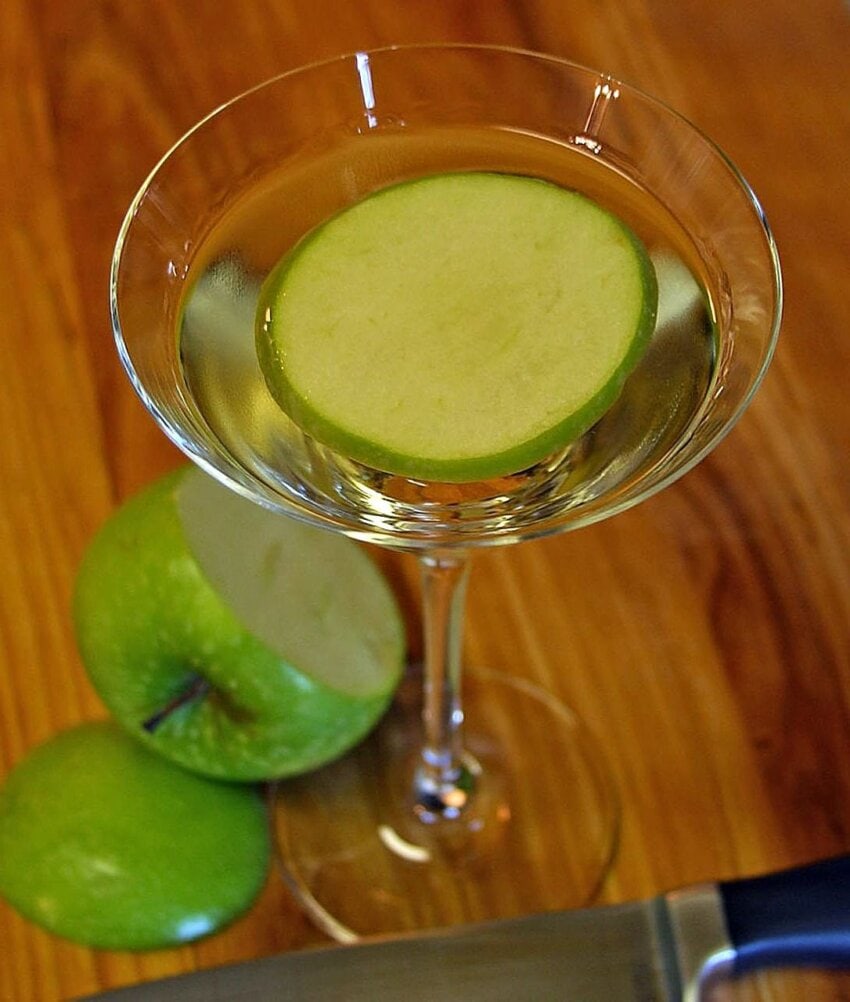
Before you crack a can, decide which flavor profile you crave. Sweeter options, often built on fruit purees or liqueurs, slide down easily and mask the alcohol heat, making them ideal for casual sipping. Tart cans, brimming with citrus or sour mixers, deliver a mouth-puckering snap that balances the base spirit and cleanses the palate between bites. For purists, a spirit-forward cocktail can amps up the whiskey, rum, or agave, offering a drier, more complex sip that mirrors a stirred bar drink. Match your mood: sweet for dessert, tart for daytime patio sessions, and spirit-forward as an aperitif or nightcap.
- Sweet cans pair with low-proof bases to avoid syrupy heaviness.
- Tart varieties benefit from a saline or herbal garnish like lime or mint.
- Spirit-forward cans need bold bitters or oak notes to shine.
- Check the label: sugar content and proof signal which direction the can leans.
Premium Mixers vs. Artificial Flavors: What to Look for on the Ingredient List
When evaluating cocktail cans, the ingredient list separates premium mixers from artificial flavor shortcuts. Real cane sugar or fresh citrus juice indicate a premium base, while high-fructose corn syrup or “natural flavors” often mask synthetic additives. Check for specific botanicals, spices, or fruit extracts—vague terms like “flavoring” signal artificiality. A premium mixer uses bittering agents, real vermouth, or cold-pressed juices; artificial versions rely on citric acid and chemical esters for tang. The absence of preservatives often correlates with a shorter shelf life but a cleaner taste profile.
- Look for named ingredients (e.g., “lime juice”) instead of generic “citrus flavor.”
- Beware of “sodium benzoate” or “potassium sorbate”—common in artificial-heavy cans.
- Premium cans list sugar content from real sources, not sucralose or aspartame.
- Check the order: quinine or ginger root listed early means actual mixer depth.
Batching Quality: How to Spot a Can That Tastes Like a Bar Pour
The closest a canned cocktail gets to a bar pour is determined by batching quality, not the base spirit alone. First, inspect the ABV—if it’s below 10%, expect dilution and a watery finish. Next, turn the can upside down and listen; a thick, syrupy pour indicates over-sweetening to mask harsh alcohol, while a thin, watery sound suggests pre-dilution. Check the ingredient list: real citrus juice or a bittering agent (like orange peel) signals a balanced acid-sugar ratio, whereas “natural flavors” hide shortcuts. A true bar-pour replica will leave a slight, pleasant burn on the finish, not a cloying coating on your tongue. Taste for separation—swirl the can; if the liquid clings unevenly, the emulsion is off.
Spot a bar-quality canned cocktail by verifying ABV, listening for syrup, and tasting for a clean, acidic finish that mimics a fresh shake, not a pre-mixed concentrate.

Practical Tips for Serving and Enjoying Canned Cocktails at Home

To elevate canned cocktails at home, always serve them in a chilled glass rather than sipping from the can, as this unlocks aromatic nuances and allows for proper ice dilution. Pour over a single large ice cube or sphere to maintain chill without rapid watering, and consider adding a fresh citrus twist or herb sprig to brighten the flavor profile. Store cans upright in the fridge for at least two hours before serving, and never shake them unless the label specifically instructs to—agitation can flatten carbonation. For a fizzy finish, pour gently down the side of the glass to preserve bubbles, then stir once to integrate settled ingredients. Pairing the cocktail’s base spirit with a matching garnish—like a lime wheel for a margarita—makes the home experience feel intentionally crafted. Finally, serve immediately after opening, as canned cocktails lose their peak texture quickly once exposed to air.
Chill Times, Glassware, and Garnishes: Elevating a Can Without the Fuss
Chill canned cocktails in ice water for ten to fifteen minutes—faster than refrigeration and without diluting the sealed contents—to reach the ideal serving temperature. Pour over a large ice cube in a rocks glass, or use a chilled coupe for a more elegant presentation, letting the glass shape direct carbonation and aromatics. A twist of citrus peel or a single expressed orange coin adds brightness without masking the blend, while a sprig of mint offers a sensory upgrade that feels intentional. Elevating a can without the fuss means manipulating time, vessel, and garnish only, not the cocktail itself.

Chill quickly, choose glassware deliberately, garnish minimally—transforming a can’s contents into a refined pour requires nothing more.
Ice or No Ice: How Serving Temperature Changes the Drink
Pouring a canned cocktail over ice does more than chill it—it actively dilutes the liquid, softening high-proof bite and unlocking aromatic compounds that are muted at room temperature. Without ice, the drink stays truer to its formulated flavor profile but warms quickly, causing sweetness to dominate as ethanol volatility increases. For spirit-forward recipes like an Old Fashioned, serving temperature directly dictates perceived balance; a single large cube slows melting while maintaining a crisp, cold sip. Conversely, sparkling or citrus-heavy cans often taste sharper and more refreshing chilled straight from the fridge, where carbonation holds longer. Dilution is the hidden variable—experiment with one cube versus none to find your preferred intensity. Q: Does ice ruin a canned cocktail’s carbonation? A: Yes, ice accelerates CO₂ release, so pour gently and drink swiftly to preserve fizz before it flatlines.
Pairing Canned Cocktails with Food for Easy Entertaining
For fuss-free hosting, let the can’s flavor profile dictate your platter. A zesty lime margarita pairs brilliantly with spicy tacos or citrusy ceviche, cutting through richness. Earthy, bitter negronis love salty snacks like olives or aged cheese, which balance their herbal notes. Fruity rum punches shine alongside grilled pineapple skewers or jerk chicken. Meanwhile, crisp gin and tonics are perfect for light bites like shrimp cocktail or cucumber sandwiches. The key is matching weight—a light drink needs light food, a bold drink can handle bolder flavors. This shortcut makes easy canned cocktail food pairing stress-free and impressive. Just pop, pour over ice, and serve your spread; your guests will think you planned for days.
Pairing canned cocktails with food is simple: match the drink’s intensity to your dish, using salty snacks for boozy cans, bright citrus for spicy plates, and light flavors with light drinks for effortless entertaining.
Portability, Storage, and Shelf Life: What You Need to Know Before Buying
Before you grab a six-pack of cocktail cans, think about where they’ll travel. Their real superpower is **portability**—they’re shatterproof, chill fast, and slip into a cooler or backpack without extra gear. But that convenience fades if you ignore storage: always keep them upright and away from direct sunlight, since heat accelerates flavor breakdown and can bulge the aluminum. Shelf life is the catch—most canned cocktails hold peak taste for 6–12 months, but citrus-heavy or carbonated recipes degrade quicker once warm.
Check the bottom stamp for a “best by” date, and remember that a can stored in a hot car for a day tastes flat by night.
For long-term stockpiling, refrigerate after purchase; pantry storage works, but cooler temps preserve the botanical notes and fizz far longer.
How Long Do Unopened Canned Cocktails Actually Last?
Unopened canned cocktails generally last **9 to 12 months** from the production date, but this varies sharply by ingredient profile. High-acidity mixes (citrus, pineapple) degrade faster, often losing carbonation and flavor clarity by the 8-month mark. Spirits-based, low-pH formulas with nitrogen-flushed lids can retain peak quality for up to 18 months when stored below 70°F. Heat exposure accelerates oxidation—every 10°F increase above room temperature roughly halves shelf life. Unlike beer, most canned cocktails do not improve with age; after 12 months, expect dulled botanicals and a flatter mouthfeel. Always check the printed “best by” code, as production dates—not purchase dates—dictate true longevity.
Best Practices for Storing Cans to Preserve Carbonation and Flavor
To lock in both fizz and delicate botanicals, treat your cocktail cans like perishables, not pantry staples. Chill them consistently at 34–38°F, as temperature swings accelerate CO₂ loss and flavor degradation. Always store them upright to minimize liquid-to-lid contact, which can corrode the seal and introduce metallic notes. Keep them away from direct sunlight or warm appliances; UV exposure breaks down hop compounds and artificial sweeteners, flattening the drink’s character. Rotate stock by “best by” date, but note that carbonation peaks only if you avoid shaking during transport—settle cans upright for 24 hours after any rough handling before opening. Never freeze, as ice crystals rupture the can’s lining and kill effervescence.
For peak carbonation and flavor, store cocktail cans cold, upright, and vibration-free—chill at 34–38°F, skip sunlight, rotate stock, and never freeze.
Beach, Camping, or Picnic: Which Can Styles Travel the Best
For beach, camping, or picnic outings, the destination dictates the ideal can style. At the beach, where sand and saltwater are constant threats, opt for a fully sealed can with a pull-tab, as screw-top lids can grind in grit and corrode. Camping favors lightweight, high-volume cans—often 500ml or larger—since you carry every gram; avoid glass-lined bottles that add weight. Picnics, being shorter and closer to home, allow for classic slim or sleek cans that chill quickly and fit neatly in a cooler with food. Across all three, portable cocktail can formats with resealable, snap-on lids (sold separately) beat single-use models for multi-day trips, since they protect against spills during transit and keep carbonation longer once opened.
Common Mistakes People Make with Pre-Made Cocktails in Cans
The biggest mistake with cocktail cans is treating them like beer—chugging them straight from the can. Since these drinks are already perfectly balanced, you’re missing the layered flavors and carbonation that need a glass to open up. Another common error is over-icing; dumping the can over a full cup of ice dilutes the spirit fast, washing out the botanicals or citrus. Conversely, skipping ice entirely makes the drink warm and flat, killing the finish. Don’t ignore the serving temperature either—many cans rely on a specific chill, but freezing them rock-solid deadens the aroma. Instead, pour over one large cube and let it rest for 30 seconds. The single worst habit is shaking the can before opening, which kills the carbonation and turns the texture syrupy.
Shaking vs. Sipping Straight: Why You Shouldn’t Treat It Like a Beer
Popping a canned cocktail and chugging it like a beer destroys its carefully balanced structure. These aren’t fizzy malt beverages; they’re pre-diluted, pre-mixed spirits meant for sipping over fresh ice, not gulping from the can. If you drink straight from the aluminum, you miss the aromatic nose and the gradual flavor release. Instead, pour it into a rocks glass. First, pack the glass with a large ice cube, then pour the cocktail over it. Finally, give it a single, gentle stir to integrate the chilled liquid without over-diluting. This method preserves the intended texture and proofs, letting the bartender’s recipe actually shine. Treating it like beer just wastes the craftsmanship.
Overlooking the ABV: How to Pace Yourself with Deceptively Smooth Drinks
Overlooking the ABV is the most frequent error with canned cocktails, as their balanced sweetness masks the alcohol’s presence. Unlike beer, where bitterness signals strength, a can’s smooth profile encourages rapid consumption, so you finish two before feeling the first. To pace yourself, treat each can as two standard drinks, not one, since most premium cans range from 8–12% ABV. A practical rule is to set a 45-minute minimum between cans and alternate with a full glass of water. Also, check the side label—not the front—for exact percentage, then calculate your personal limit before opening the first can.
Assuming All Cans Are Gluten-Free or Low-Sugar: Reading the Fine Print
A common trap with canned cocktails is assuming every option fits dietary restrictions like gluten-free or low-sugar. The fine print reveals otherwise: malt-based spirits often contain barley or wheat, while mixers hide high-fructose corn syrup or natural sweeteners. A can labeled “vodka soda” may still use a flavored vodka with added sugars, and “hard seltzer” can derive alcohol from gluten grains. Check the ingredient list and nutrition panel, not just the front label. Look for certifications like “certified gluten-free” and scan the total sugars per serving—many tropical or citrus flavors pack 15+ grams. Reading the fine print on cocktail cans is the only way to avoid hidden gluten and sugar bombs that derail your dietary goals.
Never trust the flavor or branding; verify gluten-free status and sugar content via the ingredient list and nutrition facts before drinking.